Loughborough Univ
High Performance Computing Specialist (HPC Research Team, IT Services)


Data is reshaping mobility. At the intersection of machine learning and logistics, we’re building transport systems that don’t just react—but anticipate, adapt, and evolve. This is data science in motion, driving real-world impact at scale.
A compact system view of how research, engineering, and transport operations connect across my work, from acquisition through deployment.
High Performance Computing Specialist (HPC Research Team, IT Services)
Postdoctoral Research Associate delivering AI & transport analytics (Loughborough & TrainFX)
Forecasting, computer vision, anomaly detection, and decision support
Operational tools designed for real passengers, operators, and stakeholders
Integrate AFC, passenger, sensor, and operational data from live and historical sources.
02Build reproducible analytics, forecasting, and machine learning pipelines for real transport problems.
03Turn analytical results into clear dashboards, reports, and evidence for mixed technical audiences.
04Deliver APIs, passenger information systems, and decision-support layers for practical use.
AI-driven real-time passenger information and analytics
Applied AI, Transport Analytics, and Research-to-Impact Systems
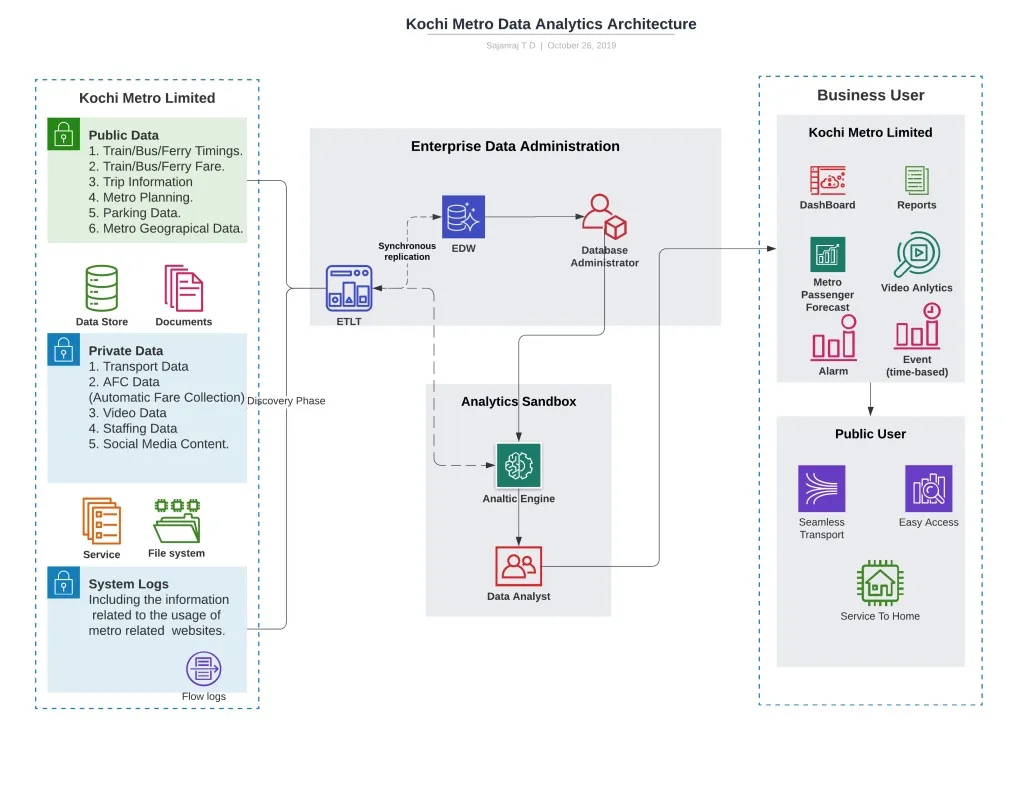
Passenger demand analysis and operational insights
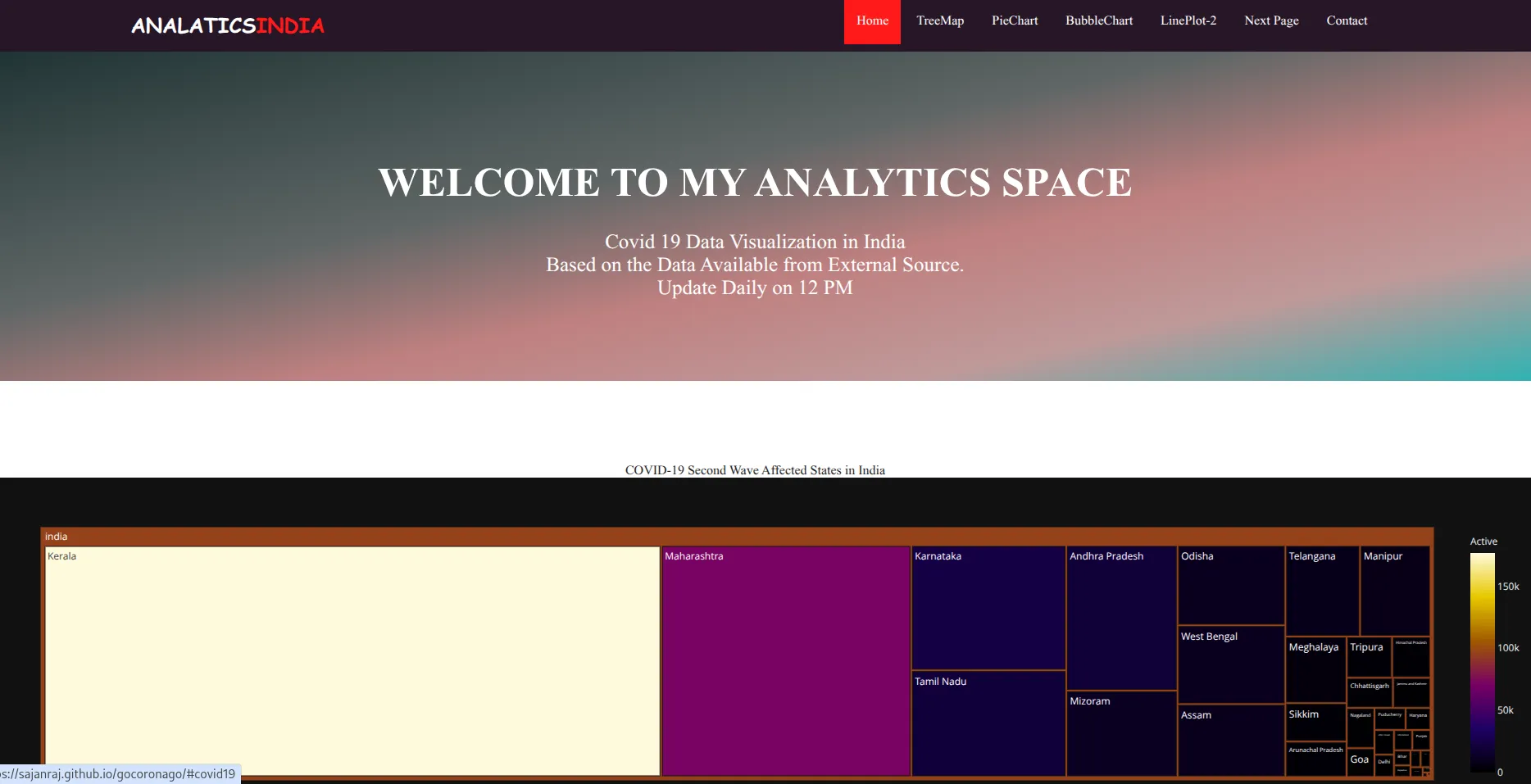
Data-driven insights during a public health crisis
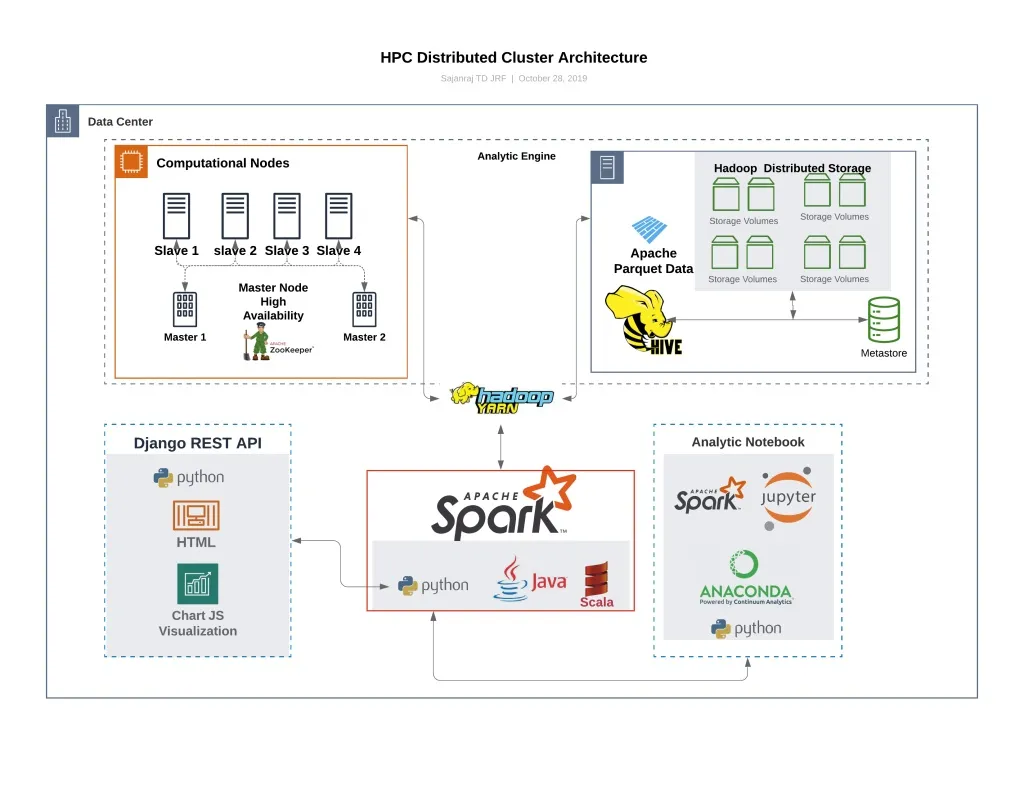
A DST-funded integrated analytics framework for urban mobility
2025 IEEE Recent Advances in Intelligent Computational Systems (RAICS), Cochin, India, ...
2025 IEEE Recent Advances in Intelligent Computational Systems (RAICS), Cochin, India, pp. 192-200
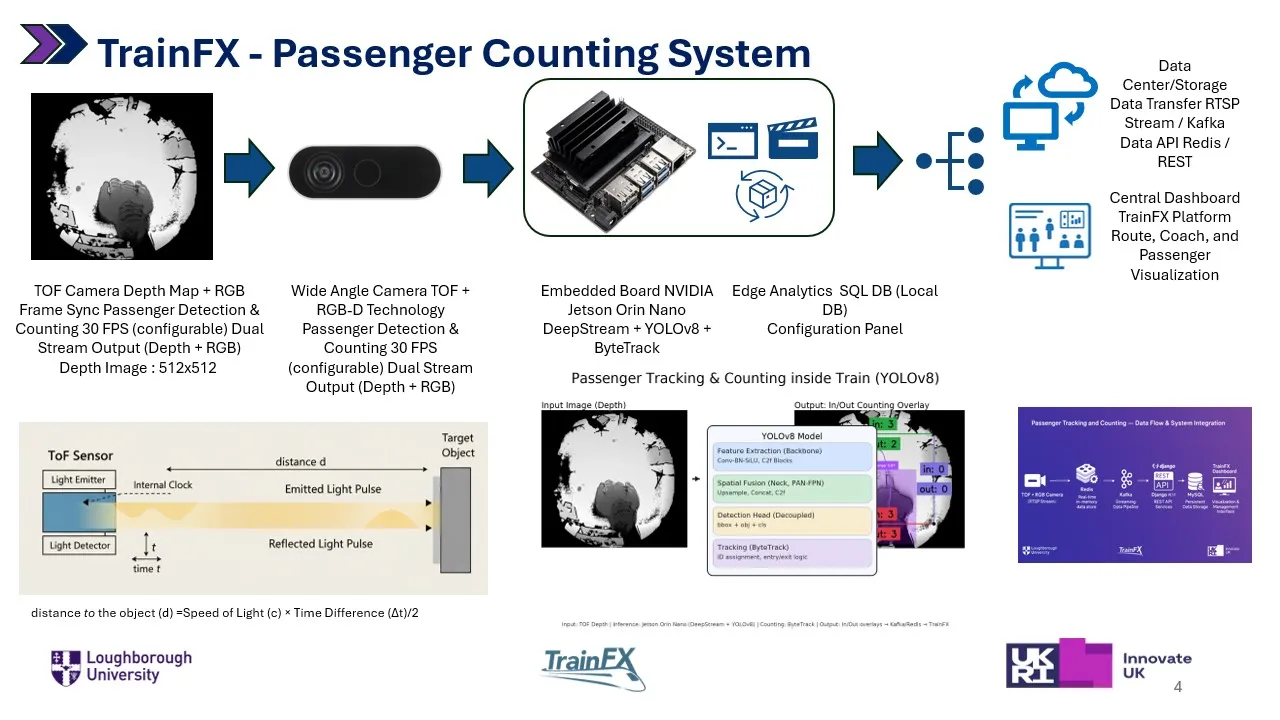
The transportation system utilizes various methods to analyze passenger flow effectively. Although passenger information is accessible through the automated fare collection system, accurate live passenger counts at specific points require an onboard sensor system....
The transportation system utilizes various methods to analyze passenger flow effectively. Although passenger information is accessible through the automated fare collection system, accurate live passenger counts at specific points require an onboard sensor system. The proposal emphasizes the necessity of a camera-based system, utilizing computer vision technology to count passenger. The paper also examines various computer vision methods, depth sensors, and tracking algorithms for implementing passenger counters in the transport sector. The proposed work introduced a wide-angle TOF sensor-based passenger tracking algorithm and obtained an accuracy of 98%. The method also explores a multi-tracking scenario after eliminating multiple sensors.
2025 IEEE International Conference on Vehicular Electronics and Safet...
2025 IEEE International Conference on Vehicular Electronics and Safety (ICVES), Coventry, United Kingdom, pp. 453-459
The passenger information system in railway sector is essential for helping passengers with schedules, connectivity, and overall comfort. It delivers...
The passenger information system in railway sector is essential for helping passengers with schedules, connectivity, and overall comfort. It delivers on-board passenger information for trams, trains, and buses as an innovative solution with real-time information. Our proposed method utilizes an edge computing based computer vision algorithm to accurately count passenger data on an embedded computing board, including the number of passengers entering and exiting, as well as the current load in each carriage. This information is then presented in a way that helps passengers choose the carriage or route that best maintains their comfort. The system’s design and development, from the sensor device to the API specification and its visual representation, are developed as part of a comprehensive product development process. The proposed method tested with an accuracy of 98% using data collected from a wide angle Time-of-Flight (TOF) camera-based counting system that utilized passenger detection and tracking.
2024 11th International Conference on Soft Computing & Machine Intell...
2024 11th International Conference on Soft Computing & Machine Intelligence (ISCMI), Melbourne, Australia
The goal of this research is to integrate an artificial intelligence framework for predicting Kathakali mudras, a crucial component of...
The goal of this research is to integrate an artificial intelligence framework for predicting Kathakali mudras, a crucial component of the traditional Indian dance style that is renowned for its complex hand and facial motions. Our goal is to protect and improve the accessibility of this traditional art form by utilising deep learning technology. To be more precise, we used the object identification model YOLOv8 together with convolutional neural networks (CNNs) like VGG 19, Inception V3, and ResNet 152 to predict and analyse Kathakali mudras. Furthermore, few-shot learning (FSL) and support vector machines (SVMs) were used to offer a comparative viewpoint on the efficacy of machine learning methods in this situation. The study entailed a thorough analysis of how well-performing different deep learning techniques performed. The predictive accuracy of VGG 19, Inception V3, and ResNet 152 for intricate mudras of Kathakali was subjected to a thorough evaluation process. In addition, an evaluation of YOLOv8’s real-time object identification capabilities was conducted in order to investigate its potential in live performance circumstances. The results of the experiment showed that VGG 19 performed better than the other models and had the highest accuracy in mudra prediction. As a result, VGG 19 was chosen as the best algorithm for this particular application. The results of this study demonstrate how artificial intelligence (AI) technologies may support and preserve traditional artistic forms. This AI-integrated framework is a useful tool for scholars, educators, and dancers, promoting a deeper knowledge and enjoyment of this cultural legacy through its accurate analysis and prediction of Kathakali mudras.
I worked with Sajanraj in 2023 as a client. He is a very dedicated professional with a strong team spirit and is always willing to help others. His commitment to his work and collaborative attitude make him a real asset to anyone he works with.

Sajanraj is a highly motivated researcher with a strong background in programming. Although we worked in different teams within the same institution, I observed his keen research interests, originality of thought, and systematic approach to solving research problems. His excellent performance during the KMRL research project clearly reflected his technical depth and strong research drive.

 23 Apr 2026
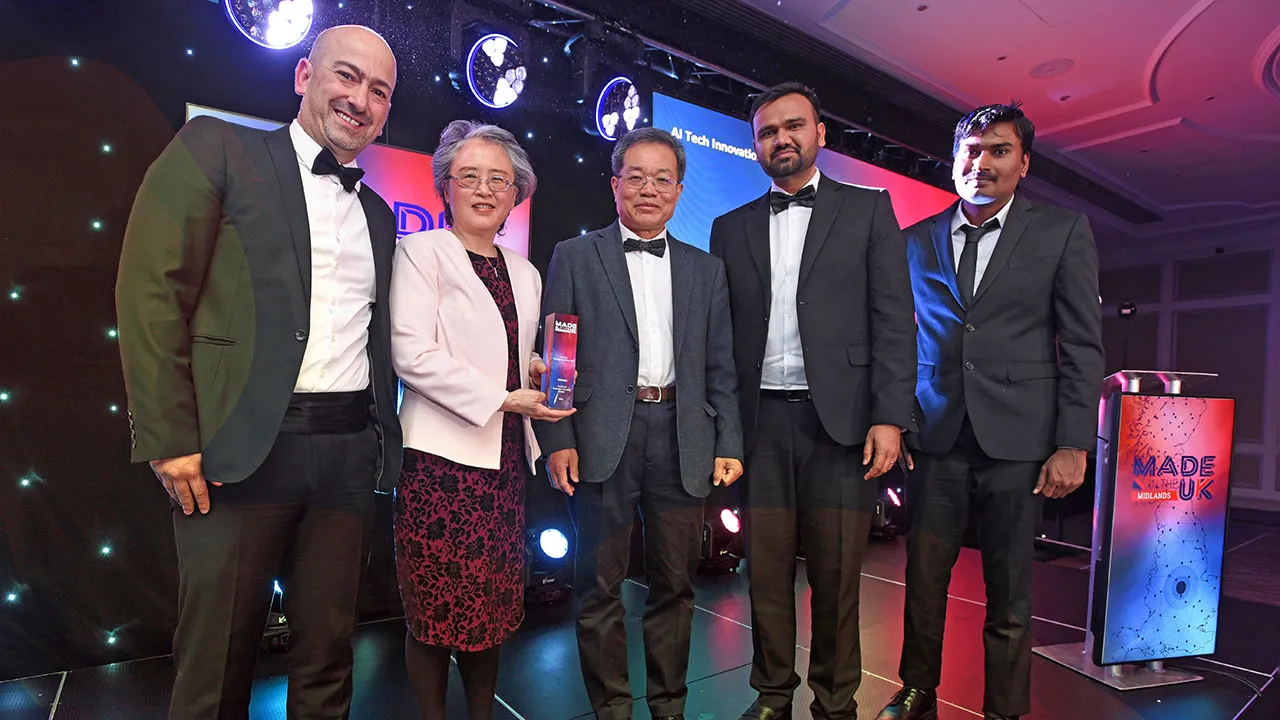
We are immensely proud to announce that our collaborative AI initiative with TrainFX Ltd has been honored as the AI Tech Innovation...
Read note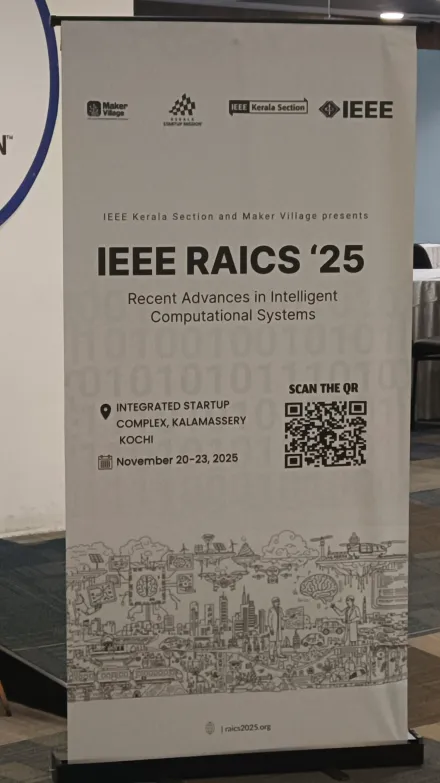 23 Nov 2025
In November 2025, I had the privilege of attending the IEEE Recent Advances in Intelligent Computational Systems (RAICS) conference. As a premier...
Read note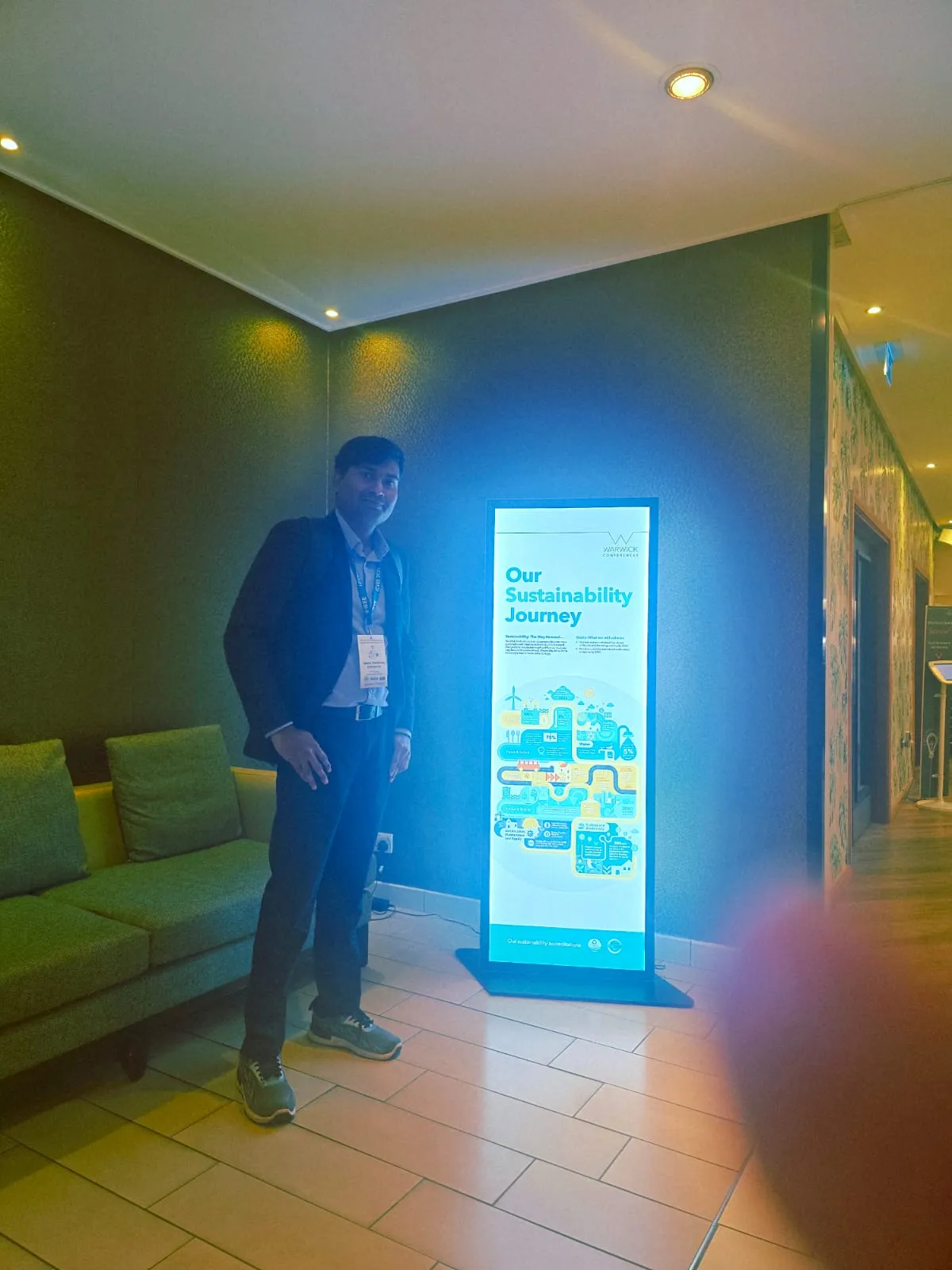 28 Oct 2025
I recently had the opportunity to attend the IEEE International Conference on Vehicular Electronics and Safety (ICVES) 2025 in the UK. This...
Read noteFor research collaborations, speaking engagements, consulting, or project inquiries.
Email sajanraj.t.d@gmail.com
Mailing list signup will be enabled soon. Use the contact form to request updates in the meantime.
Use Contact FormShare a little context and I will get back to you as soon as possible.