
I recently had the opportunity to attend the IEEE International Conference on Vehicular Electronics and Safety (ICVES) 2025 in the UK. This prestigious event, sponsored by the IEEE Intelligent Transportation Systems Society (ITSS), is a cornerstone for those engineering the future of safe and sustainable mobility.
“Safety is not an option; it is the foundation upon which all transportation innovation must be built.”
The Core Mission of ICVES
ICVES 2025 centered on the critical intersection of sensing, communication, and computation. The goal is clear: to develop road environments that are not only more intelligent but also greener and safer for all users.
Key Research Pillars:
- Advanced Driver Assistance Systems (ADAS): Pushing the boundaries of situational awareness.
- Environmental Understanding: Leveraging Lidar, Radar, and Computer Vision for robust perception.
- Safety-Critical Architectures: Ensuring embedded systems can withstand the rigors of real-world deployment.
- V2X Communication: Enabling the dialogue between vehicles and their surroundings.
Integrating Safety into Transport Analytics
My work in railway and metro analytics shares a common goal with the vehicular systems discussed at ICVES: Mission-Critical Reliability. The lessons learned from road vehicle safety are directly applicable to how we design passenger information and monitoring systems in rail.
- Multi-Modal Sensing: Parallel needs for robust data fusion across diverse transport modes.
- Validation & Verification: The importance of rigorous testing for any AI-driven safety system.
Visual Highlights
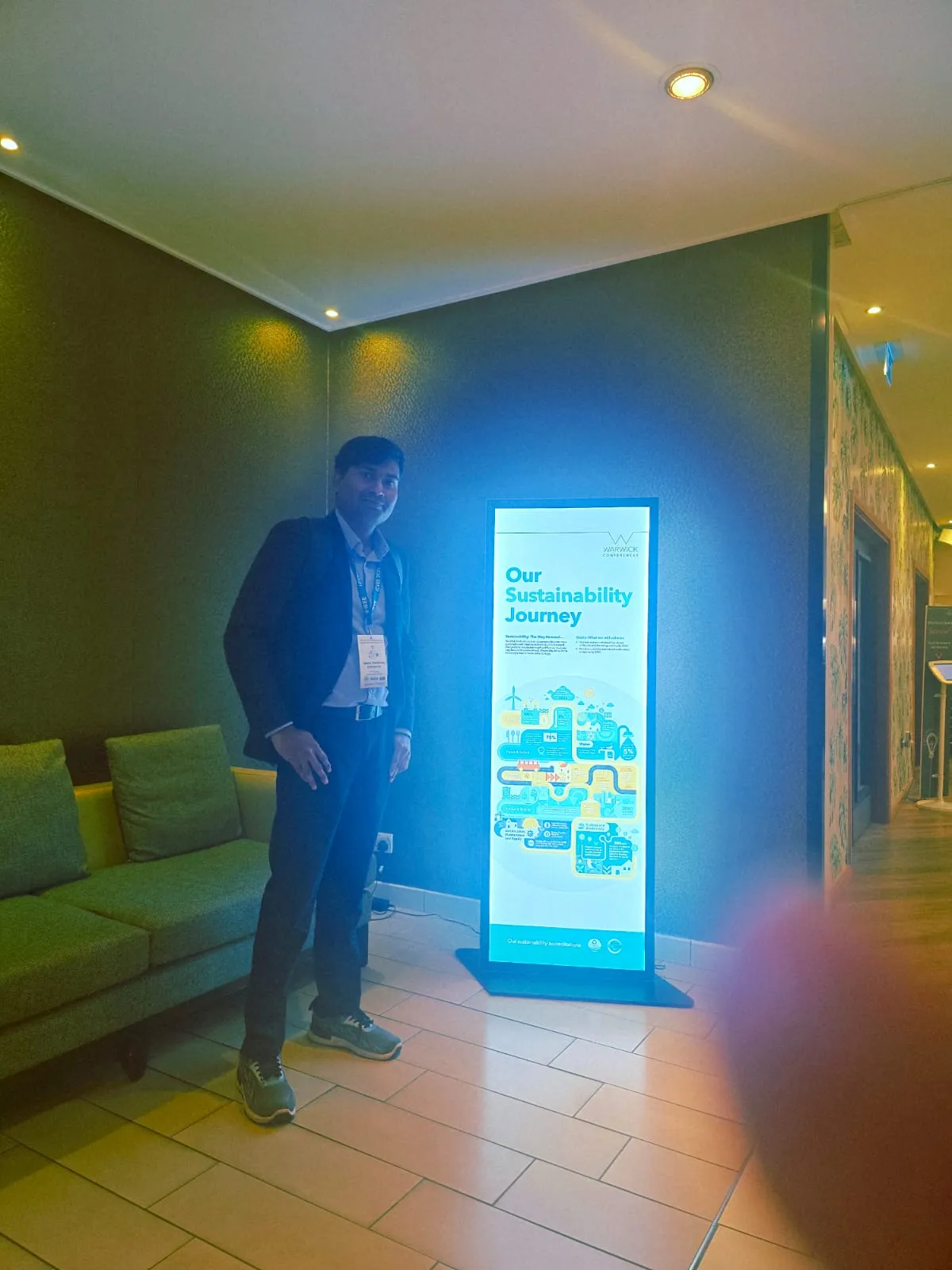
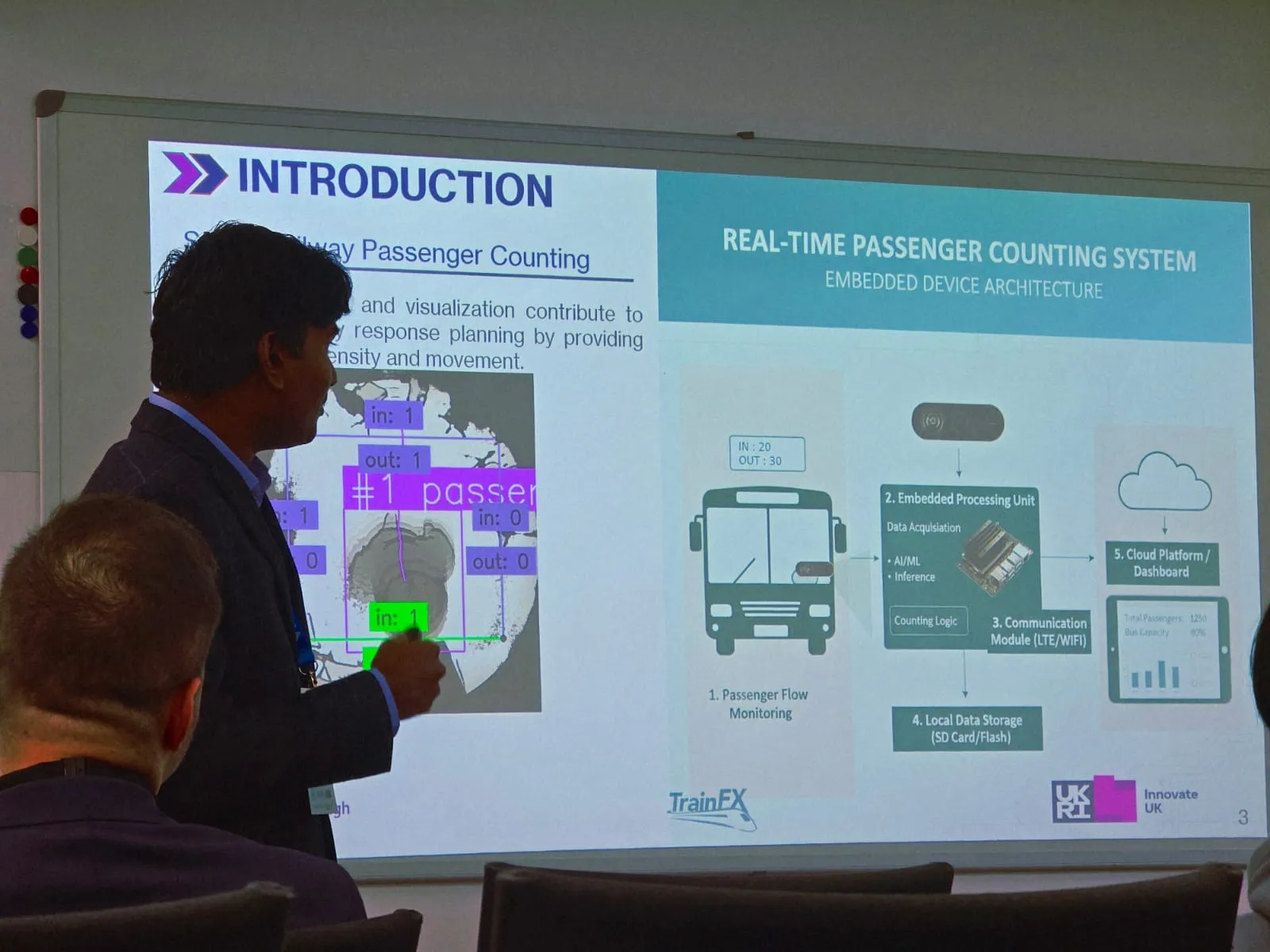


Attending ICVES 2025 was a vital opportunity to align my technical efforts with the broader global standards for intelligent and safe transportation.